- Join Us
- Login
- EEA ToolKit
- Employment Essentials
- Frequently asked
- Contracts and wages
- Time off work & absence
- Staff management & training
- Workplace disputes
- Dismissals and resignations
- Pregnancy and children
- Avoiding discrimination
- Redundancy and Retirement
- Other responsibilities
- Legal Helpline
- Recruitment
- Good Recruitment
- New starters
- Find a groom
- Good Employment
- Resources
- Downloads Library
- EEA Pension & Payroll
- Safe workplace
- Employers Minds
- Transporting horses
- Riding Establishment Licences
- Member discounts
- Business Hub
- Equestrian businesses
- The business plan
- Business compliance
- My clients
- Livery Contract Creator
- Financial matters
- Business challenges
- Marketing
- The EEA
- Employers Life
- Contact
Join Us
Employment Essentials
Recruitment
Good Employment
Resources
Business Hub
Employers Life
The EEA
Contact
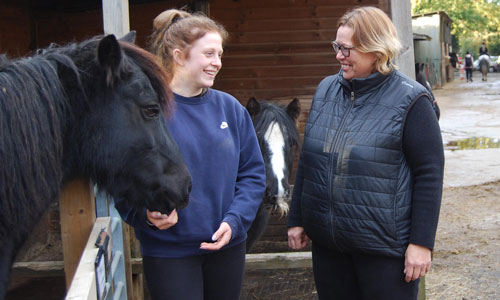
What our members say

“As a livery yard owner, the support from the EEA has been invaluable in the employment of our staff and the efficient running of the business.”
Day Dressage
EEA Member

“We decided we were going to do things differently, I just wasn't always sure how to do it! The EEA has all the solutions to employing staff legally.”
D & L Performance Horses
EEA Member
- Frequently asked
- Contracts and wages
- Time off work & absence
- Staff management & training
- Workplace disputes
- Dismissals and resignations
- Pregnancy and children
- Avoiding discrimination
- Redundancy and Retirement
- Other responsibilities
- Legal Helpline
Tools







- Good Recruitment
- New starters
- Find a groom
Tools
Tools
- Downloads Library
- EEA Pension & Payroll
- Safe workplace
- Employers Minds
- Transporting horses
- Riding Establishment Licences
- Member discounts
Tools
Some functionality of the website is not currently available due to technical difficulties. We're working on fixing the issue.
Employer's Life
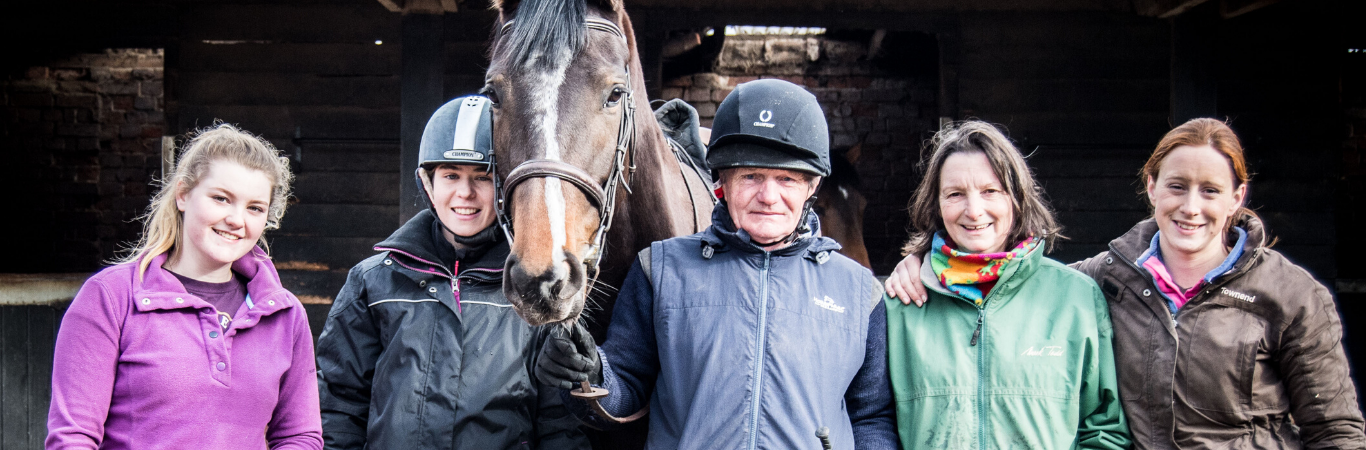
For many equestrian yards, summer is one of the busiest times of the year. Competitions, camps, clinics, breeding activities and longer working days can all place additional pressure on employers and staff. At the same time, your team may want to take annual leave and enjoy time away from work. Good planning can help you maintain standards of horse care, support your staff and avoid unnecessary stress throughout the season. Annual leave requests can quickly become challenging if several team members want the same dates off. Having a clear holiday policy helps ensure requests are handled consistently and fairly. Employers can decide when leave is taken, as long as they follow the rules set out in employment contracts and give the appropriate notice. Many businesses operate a first-come, first-served approach, while others may limit the number of staff who can be absent at the same time. Encourage your employees to submit holiday requests as early as possible and regularly review upcoming leave to identify potential staffing gaps before they become a problem. Summer absences don't just include holidays. Staff may also need unplanned for time off due to illness, family commitments or unexpected emergencies. It’s a good idea to review your staffing requirements in advance and identify periods when additional support may be needed. Cross-training team members can help ensure essential tasks continue if someone is unavailable. Having clear procedures and up-to-date yard routines documented can also make it easier for others to step in when required. The earlier you identify potential gaps, the more options you'll have to cover them effectively. Freelance grooms, riders and instructors can provide valuable support during busy periods. However, it's important to ensure working arrangements are genuinely self-employed. A freelancer should typically have control over how they carry out their work, be able to work for other clients and take responsibility for their own tax and National Insurance arrangements. Simply calling someone self-employed does not automatically make them so in the eyes of the law. If you're unsure whether a worker is genuinely self-employed or should be employed, seek professional advice. Getting employment status wrong can lead to significant legal and financial consequences. When workloads increase, it can be tempting for everyone to simply work longer hours. However, fatigue can affect decision-making, increase the risk of accidents and impact both staff wellbeing and horse welfare. Make sure employees take their statutory rest breaks and receive adequate daily and weekly rest. Check in regularly with your team and look out for signs of excessive fatigue, stress or declining morale. Simple measures such as rotating demanding tasks, ensuring adequate hydration and encouraging staff to take breaks can make a significant difference during busy periods. Long days, hot weather and increased workloads can all affect wellbeing. Creating a positive working environment doesn't have to involve major expense. Good communication, realistic expectations, recognition for hard work and opportunities for feedback can all help staff feel valued. Small actions, such as ensuring access to drinking water, suitable rest areas and regular breaks, demonstrate that you take employee wellbeing seriously. A supported team is more likely to remain engaged, productive and committed to your business. Successful summer staffing isn't about finding last-minute solutions, it's about planning ahead. By managing annual leave fairly, preparing for absences, using freelancers correctly and supporting your team throughout the season, you can maintain high standards of horse care while creating a positive workplace for your staff. The steps you take now can also put your yard in a stronger position for the busy months ahead.
Summer Staffing Made Simple
1st July 2026

Manage Annual Leave Fairly
Plan Ahead for Staff Absences
Use Freelancers Appropriately
Avoid Burnout During Busy Periods
Support Staff Wellbeing
Good Planning Benefits Everyone
BLOG ARCHIVE
- 2026 (16 ENTRIES)
- 2025 (16 ENTRIES)
- 2024 (10 ENTRIES)
- 2023 (10 ENTRIES)
- 2022 (6 ENTRIES)
- 2021 (4 ENTRIES)
- 2020 (7 ENTRIES)
- 2019 (14 ENTRIES)
- 2018 (9 ENTRIES)
OUR PARTNERS




-Small.jpg)

The EEA is the membership association for all
equestrian employers in the UK and NI.
MEMBERS OF:


Your item has been added to the basket
You need to create an account, or login before you can add this item to your basket.